
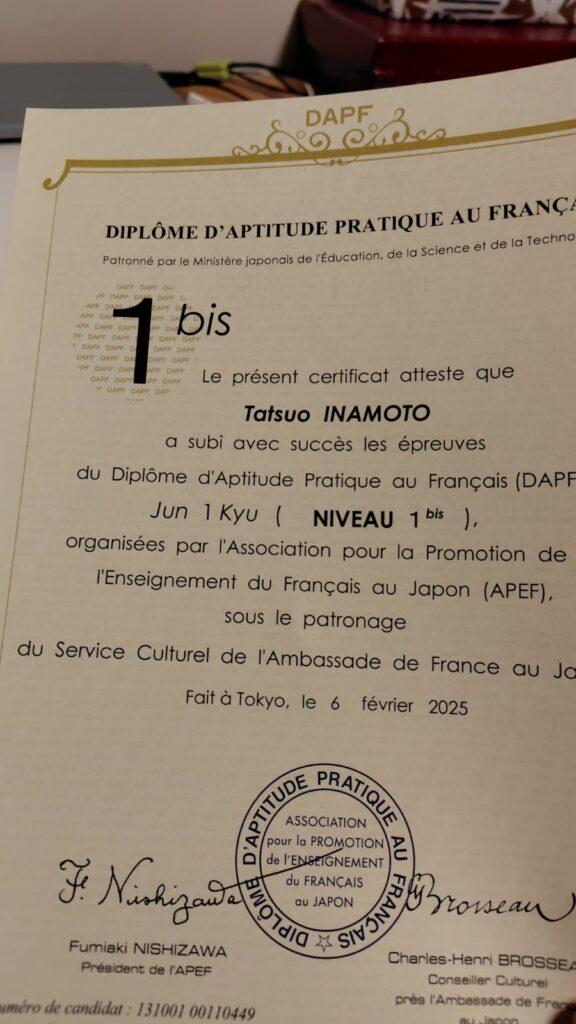
Tatsuo lives in Tokyo, where he works for a public organization. He is passionate about the French language and culture, and he plans to devote even more time to them once he retires in a year, in 2026!!! He shares with us the keys to his learning journey and the immersion trip that changed everything on his path to passing his exam.
"After three unsuccessful attempts, I finally passed the Level 1 bis exam on the French language proficiency scale in Japan, known as the Diplôme d’Aptitude Pratique au Français (DAPF). It’s the most authentic system for measuring proficiency in French in Japan. I’m going to tell you how I went about it, because it wasn’t as easy as it might seem.”
I failed the Pre-Level 1 exam of the French Proficiency Test (Fukken) three times, but this time I was finally able to pass. It was quite a journey to get here, and I’d like to share some of that journey with you.
"In" 2018, I resumed studying French after a hiatus of about thirty years since my college days, when I had studied it for two years. This was because I dreamed of becoming a volunteer guide in French at the 2020 Tokyo Olympics. First, I started listening every day to an NHK radio program—a French course that seemed to me the most affordable way to master the language."
In 2018, inspired by my desire to be a volunteer guide at the 2020 Tokyo Olympics, I decided to resume studying French—which I had studied for two years as a college student—for the first time in 30 years. I started by listening to the NHK radio course, which was the least expensive option.
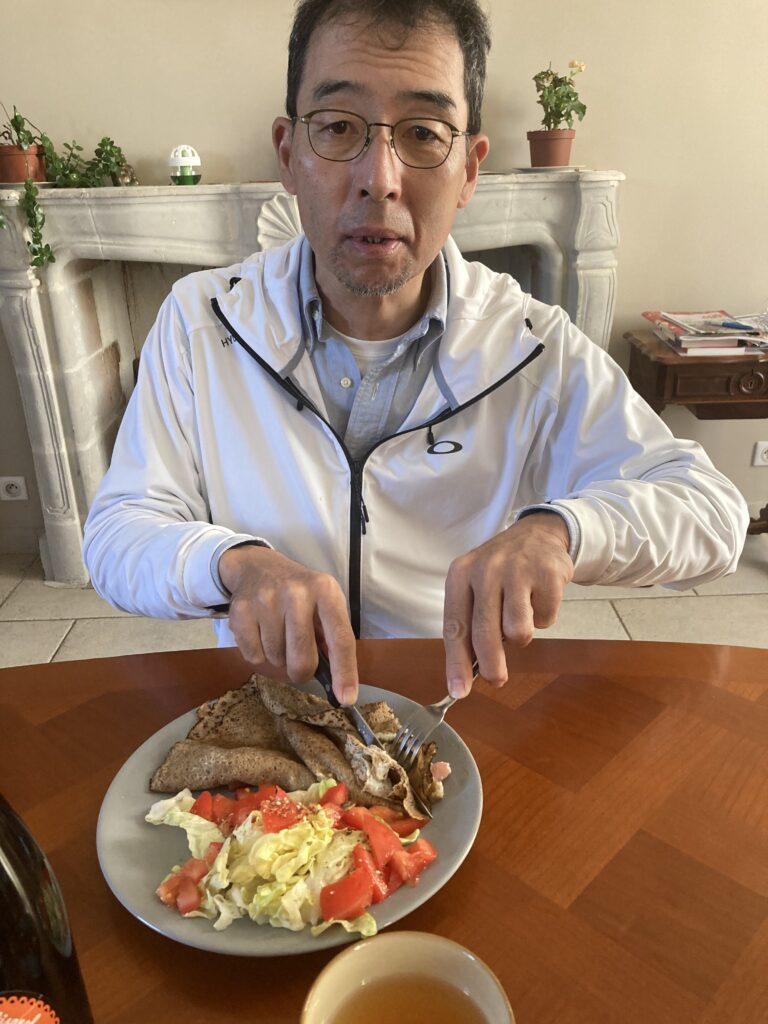
"Even though I wasn’t able to fulfill my dream—since I was too busy with my government work during that time—I passed the French proficiency exam: Level 3 of the DAPF in the spring of 2020."
Although I was too busy with work to serve as a volunteer guide, I took the Level 3 French Proficiency Test in the spring of 2020 and passed.
"I have to say that I wouldn’t have been able to guide French-speaking visitors during the Olympics anyway, since they were postponed by a year to 2021 and then held without spectators due to the pandemic—even if I had become a volunteer guide."
Well, even if I had become a volunteer guide, the 2020 Tokyo Olympics were postponed by a year and held without spectators, so I probably wouldn’t have been able to guide visitors from French-speaking countries anyway.
"However, I drew on the momentum from my success on the exam to continue listening carefully to the radio program on my own, with my sights set on the next exam, which took me from the Level 2e bis Diploma in the fall of 2020, and then to Level 2e in the spring of 2021. I believe I benefited greatly from focusing on a single learning method and avoiding the use of too many different materials. I concentrated on just one method.”
Encouraged by this, I continued studying the radio course on my own and was able to progress smoothly from Level 2-A in the fall of 2020 to Level 2 in the spring of 2021. Up to this point, I think it was a good decision not to try to do too many things at once and to stick to just one learning method.
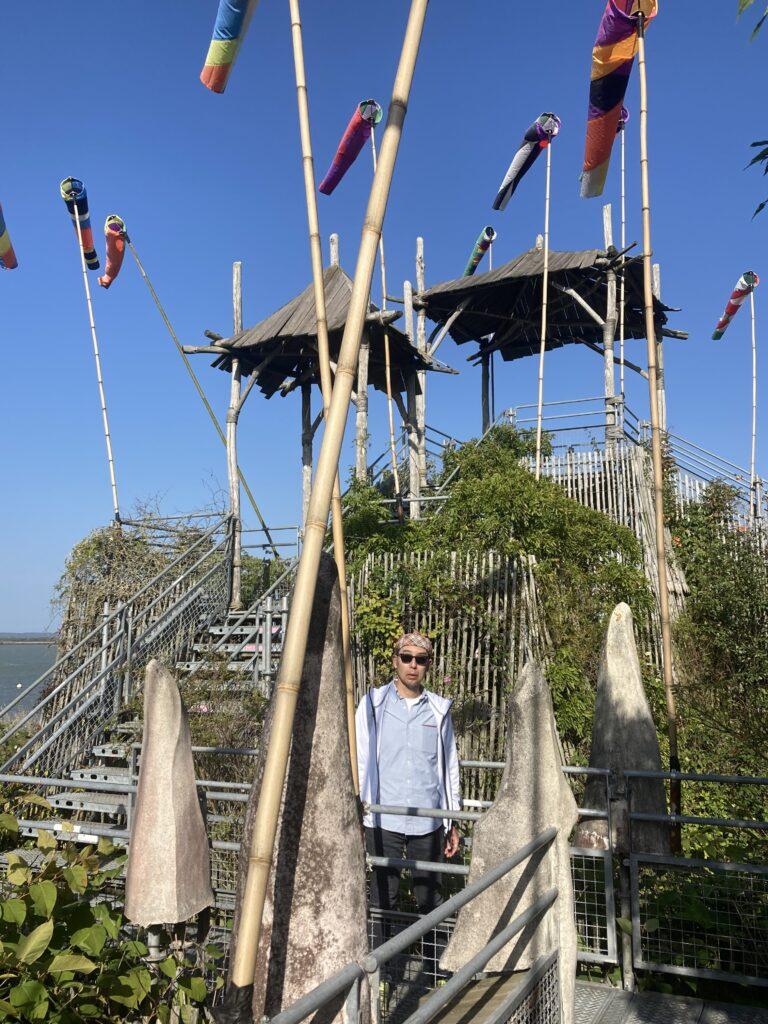
"However, I failed the first stage of the Level 1-A exam in the fall of 2021, with a score far below the passing mark. That’s when I was forced to reevaluate my study method, which had become insufficient for reaching a higher level."
However, in the fall of 2021, I failed the first stage of the Pre-Level 1 exam and fell far short of the passing score.
"After" that, I created my own dictation exercises using the show’s streaming service. In addition, I bought a workbook specifically for the DAPF, titled “The Official DAPF Guide—Selections,” which contained plenty of explanations about the questions asked in past exams and helpful instructions. Following the advice in this book, I started using my first French dictionary, “Dictionnaire du français langue étrangère Niveau 1.” It contained a lot of basic vocabulary presented in a humorous way, but it included only about 2,100 words. Overall, they were all good study materials that I found very helpful. But my progress wasn’t obvious, and I failed the exam again in the fall of 2022."
Since then, I’ve been doing dictation exercises from intermediate-level texts using an online catch-up service, and I bought workbooks published by the certification association (the “Sélection” series, which has thorough explanations).and, following that advice, bought and studied with the “Larousse Easy French-French Dictionary Level 1” (a good dictionary for learning real-life examples, though it has a limited vocabulary). However, my skills didn’t improve much, and the fall 2022 exam turned out the same way.
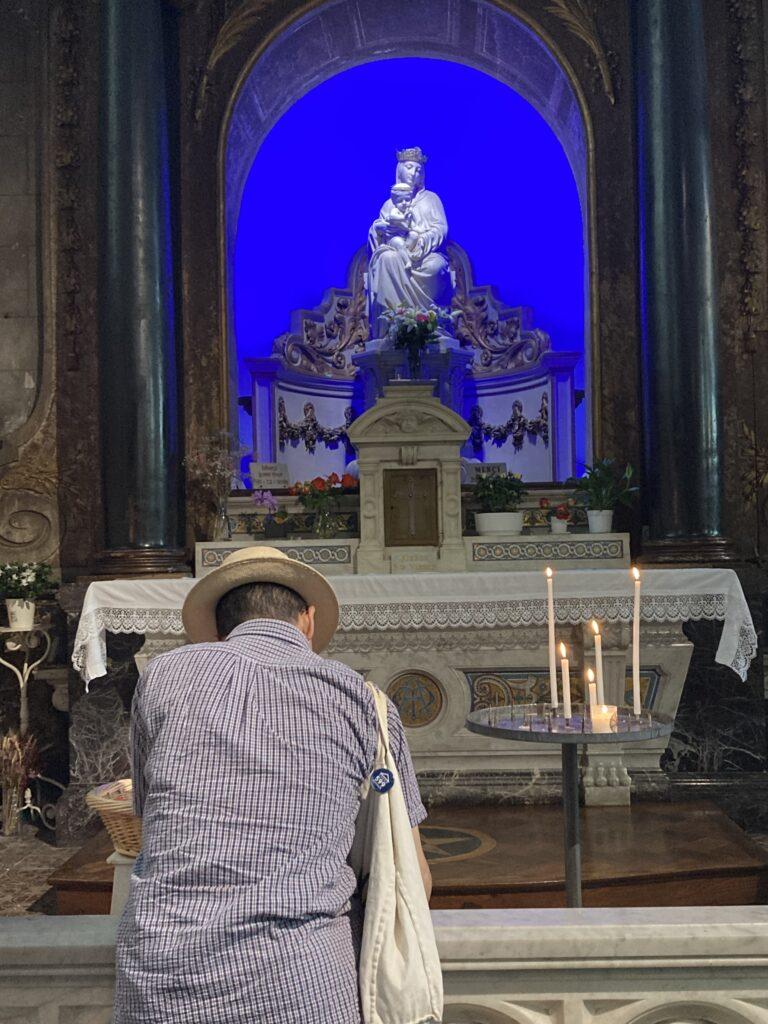
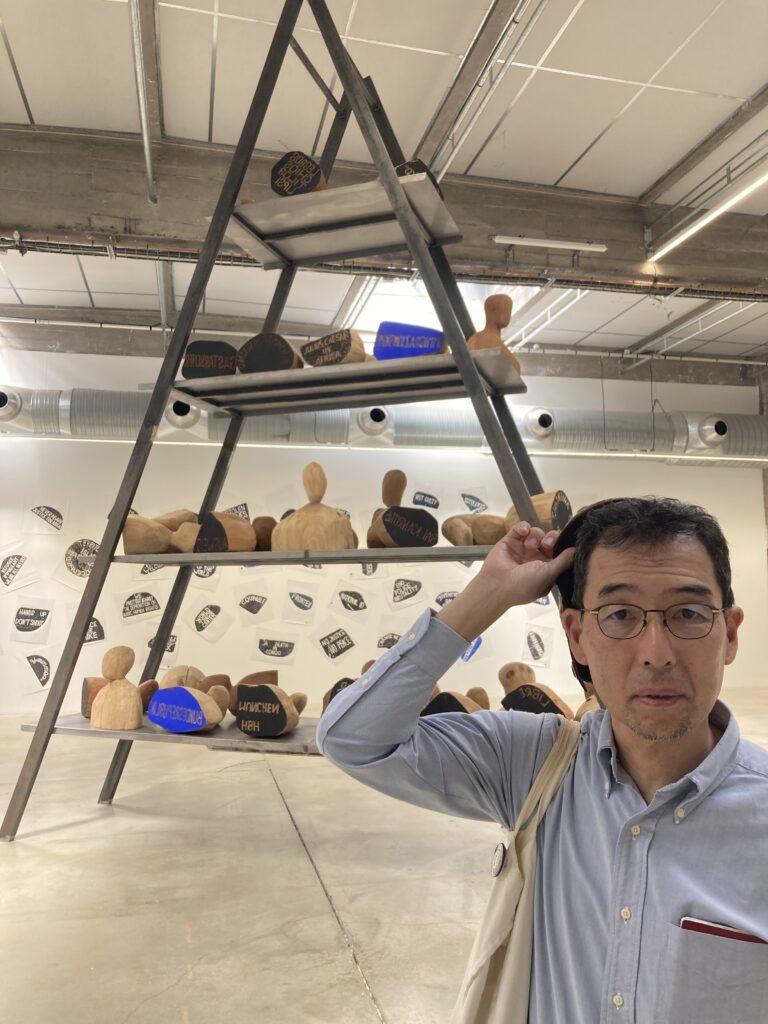
"In the summer of 2023, I was able to take a vacation for almost two weeks. The pandemic was no longer a barrier to traveling overseas. Previously, for business, I had traveled to Geneva and Brussels several times, where I had keenly realized how inadequate my practical French was, but I had never been to France even once. So, why not? I decided to go to France and quickly find a way to spend a week there doing intensive language study."
In 2023, I found out I could take nearly two weeks of summer vacation from work. The pandemic had settled down, and although I’d traveled to Geneva and Brussels on business many times before—each time painfully aware of my inability to speak French—I’d never actually been to France. I figured I simply had to go to France, so I looked for a place where I could spend a week on a language immersion program.
"The Franco-Japanese Cultural Center’s website seemed like the right place to find information about an immersion language program. I wrote to them asking about accommodations in Provence or in a few other regions in southern France. But they told me it was too late and that the only option left was in Nantes. Nantes! As it happened, it was one of the cities I’d wanted to visit in France. I didn’t have any other choice, but it gave me a real opportunity to meet Pascal and Séverine.
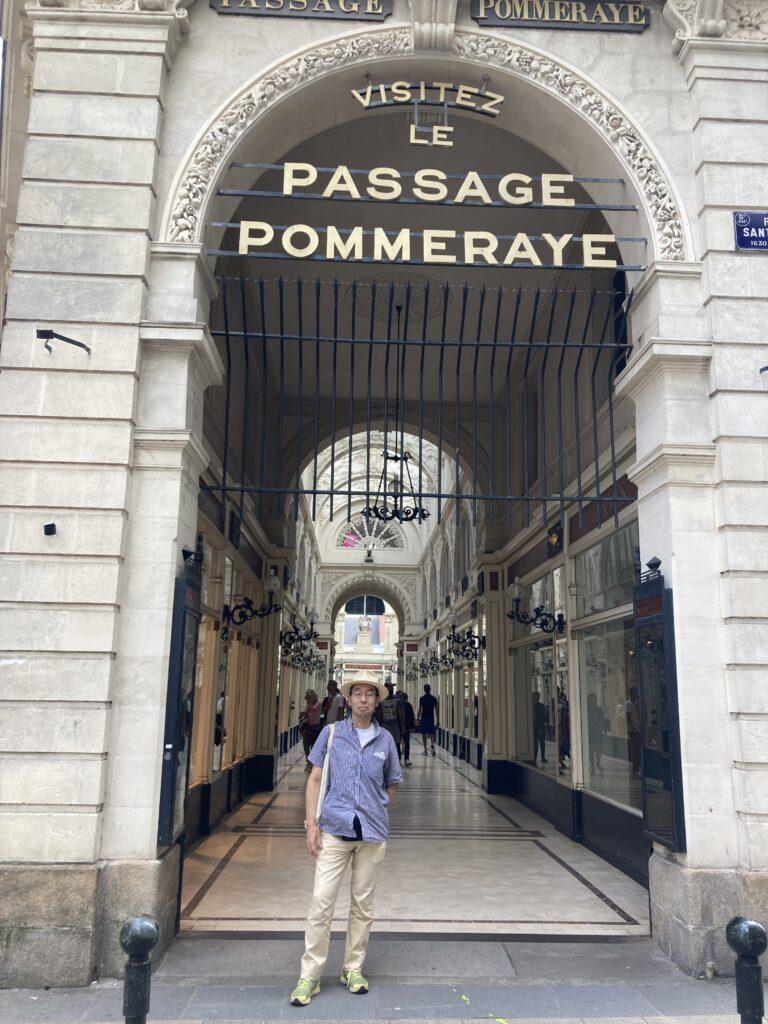
I searched for a homestay on the Japan-France Cultural Association’s website. At first, I’d hoped to go to the south of France, but I was told it was too late and that Nantes was the only option left—though it was also a city I’d always wanted to visit. So, even though I had no choice but to apply, that’s how I met Mr. Pascal.
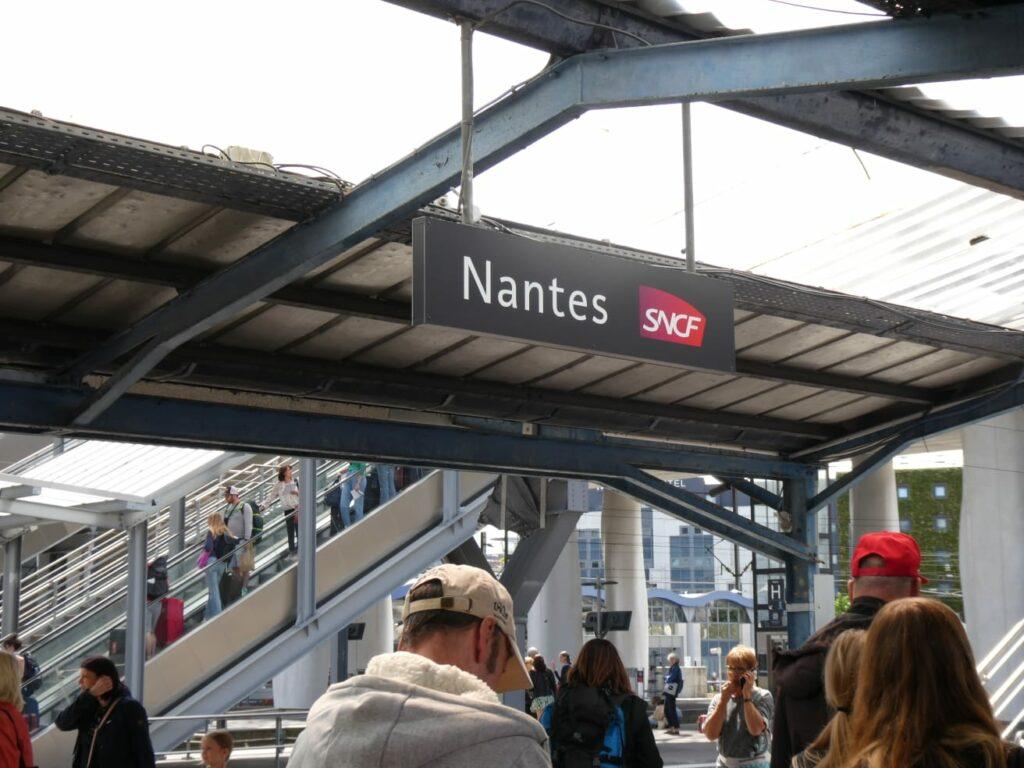
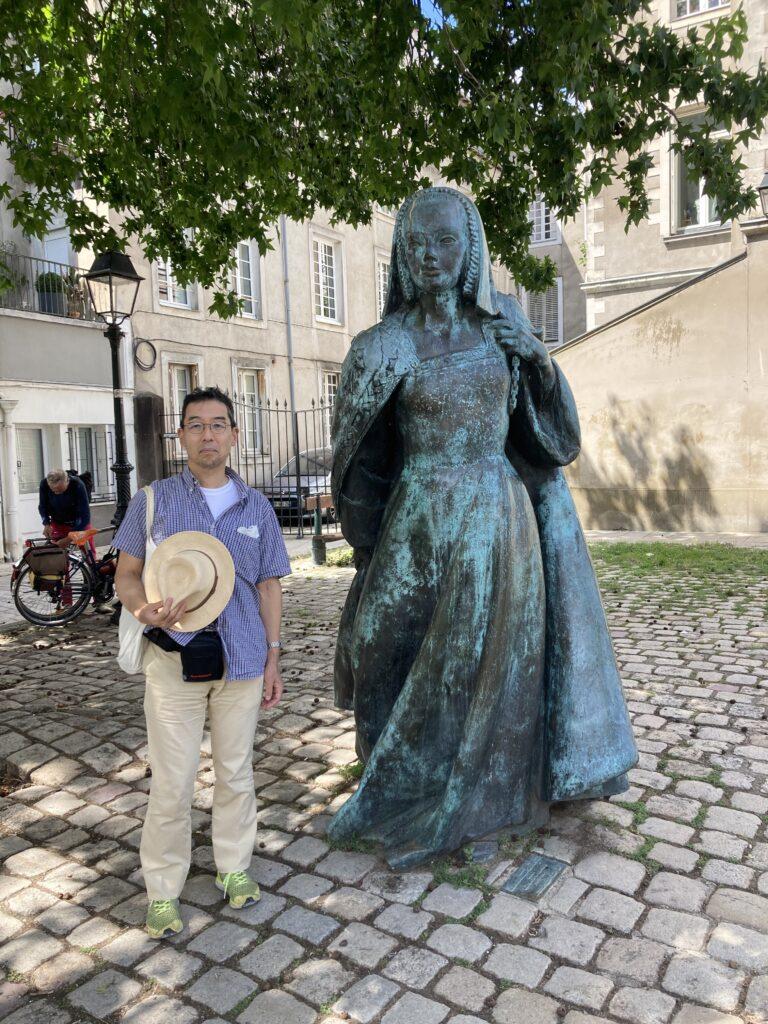
First of all, at the host family’s home, I took two tests to assess my language skills, both written and oral. For example, there was a comprehension exercise based on a video related to my professional field—trees and climate change—to assess me in a familiar context. Following this assessment, Pascal gave me specific grammar exercises to strengthen my weak areas, vocabulary building tailored to my level, and a whole series of activities to boost my confidence.
During my homestay, we started with an academic assessment, then moved on to watching a video to see if I could understand the content, and worked on grammar by answering questions to address my weaknesses. Learning a language directly from a French person in a French home is a truly immersive experience.
I caught a slight cold during my stay, but Pascal didn’t hesitate for a moment; he continued to teach me, carefully adapting his approach to my needs with shared enthusiasm.
Actually, I caught a cold during my homestay, but Mr. Pascal didn’t hesitate at all and enthusiastically continued to give me one-on-one instruction.
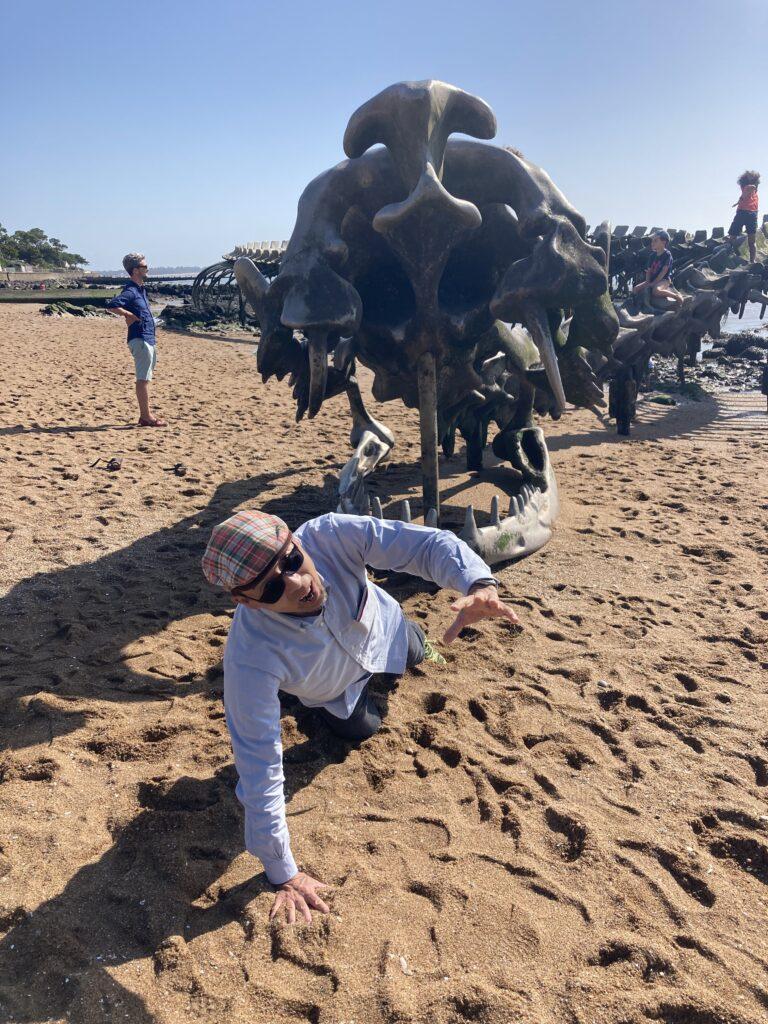
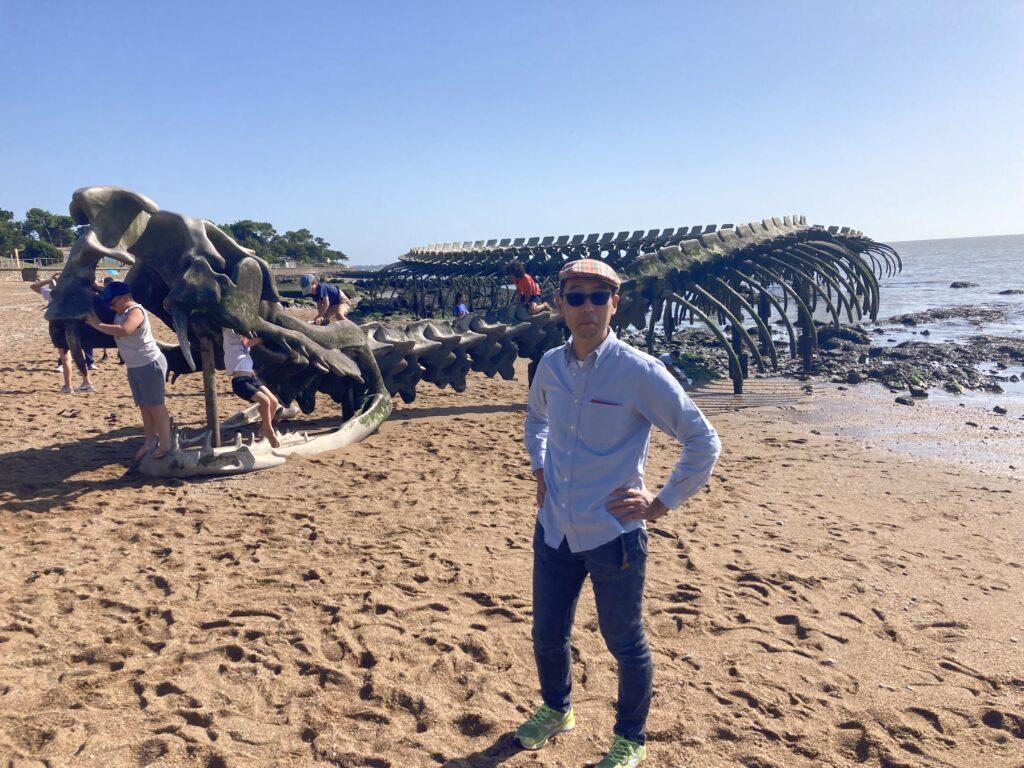
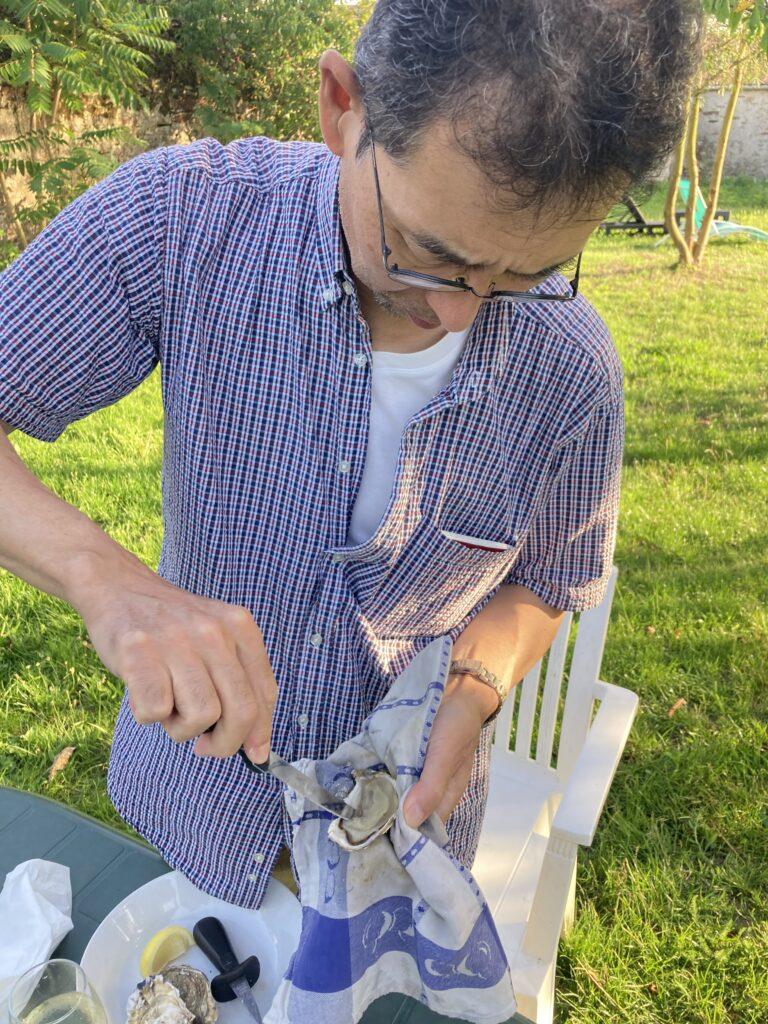
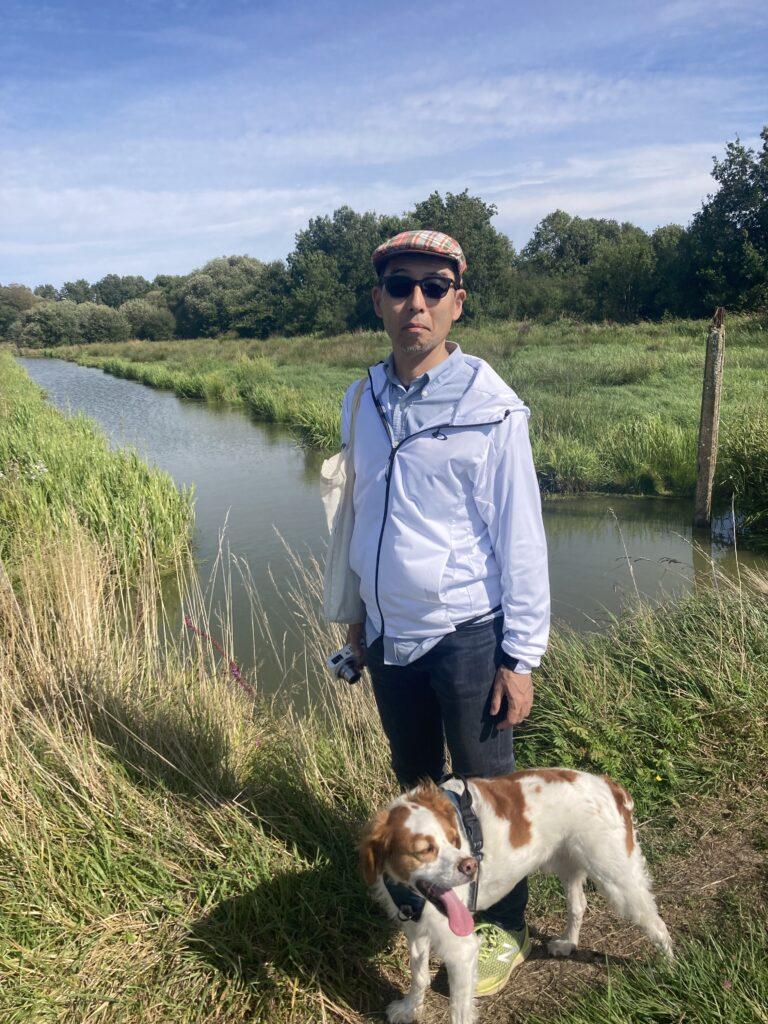
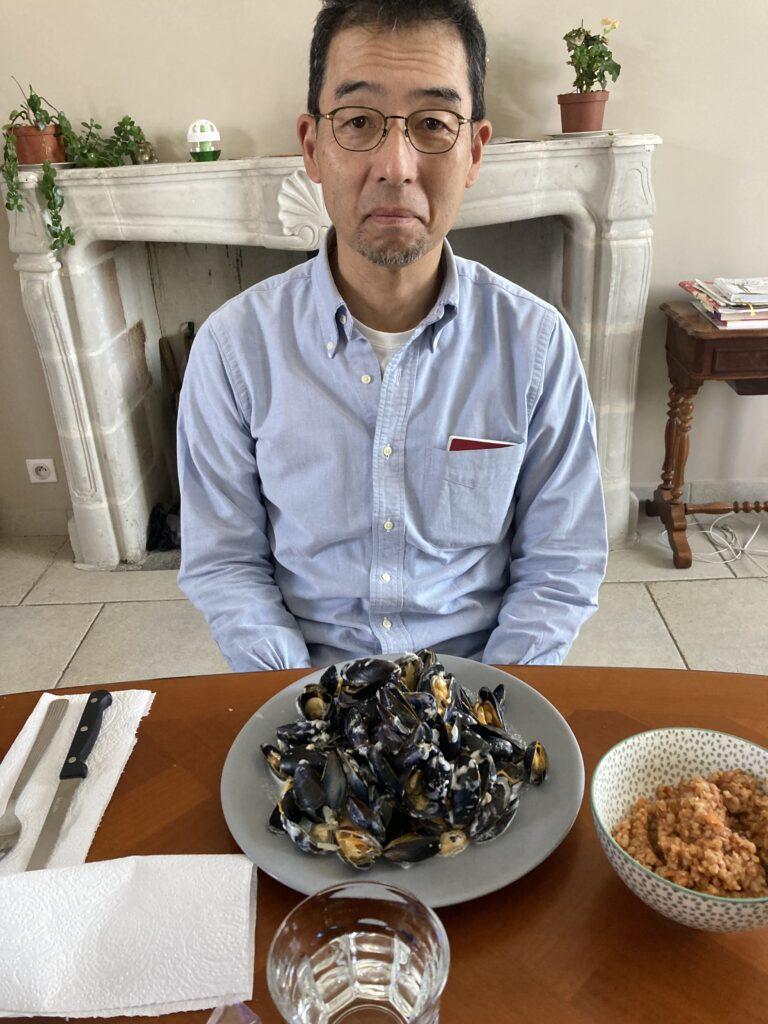
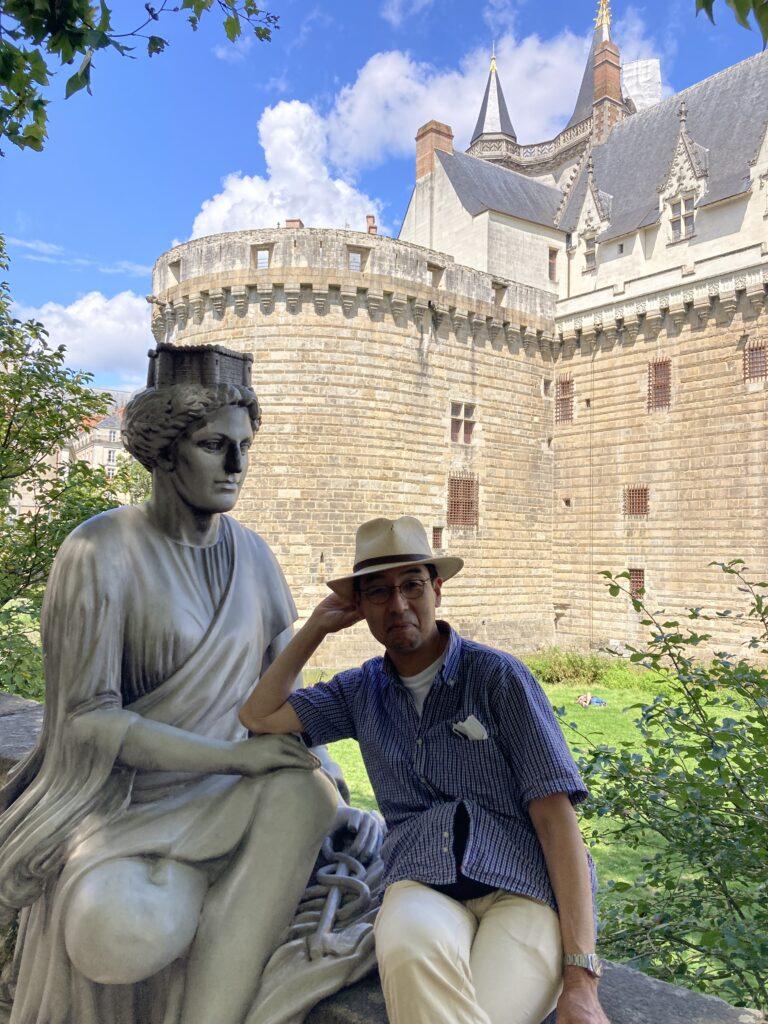
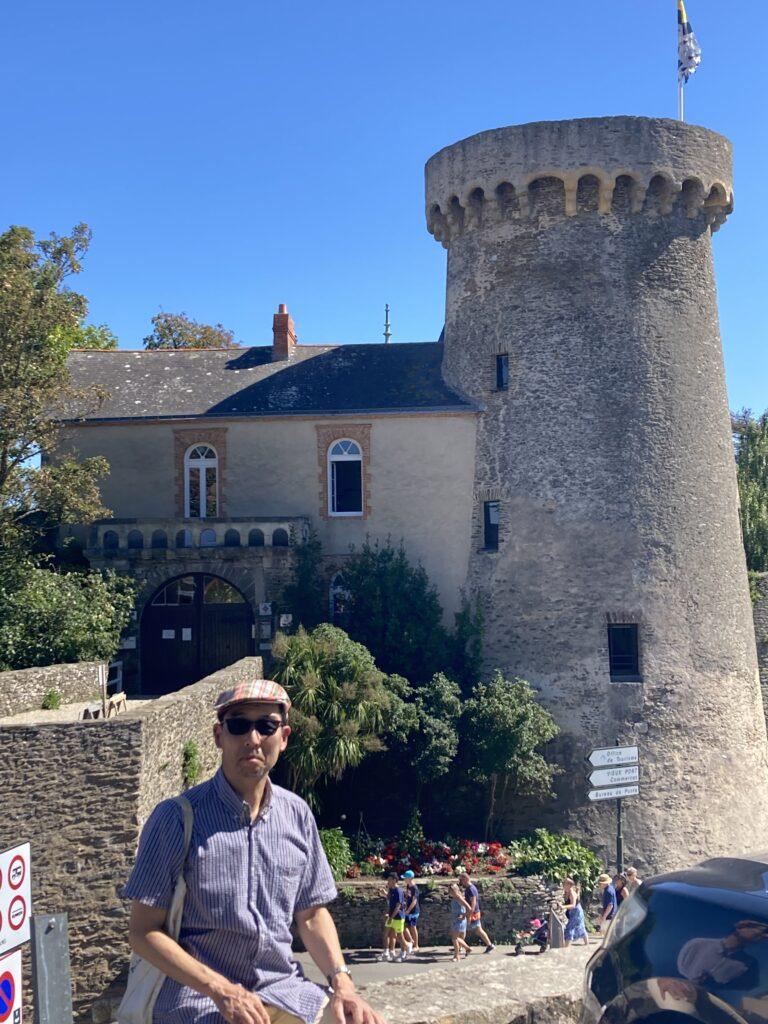
"Above all, I have fond memories of Pascal and Séverine guiding me as I explored the beaches, the large tree-lined gardens, and the artistic and historical monuments. We also took walks around their little village with their dog, through the fields and along the canals, where we reveled in the tranquility of the countryside and the way the sunlight glinted off the water’s surface. In their garden, we sampled local seafood that we’d gone to buy at the fishing port and in the salt marshes."
It was a wonderful memory when our teacher showed us around the nearby coast, gardens, and outdoor art installations; when we went to the harbor and salt flats to buy local oysters and salt, which we then ate in the teacher’s garden; and when we strolled through the neighborhood with their dog, taking in the tranquility of the farmland and the light reflecting off the waterways.
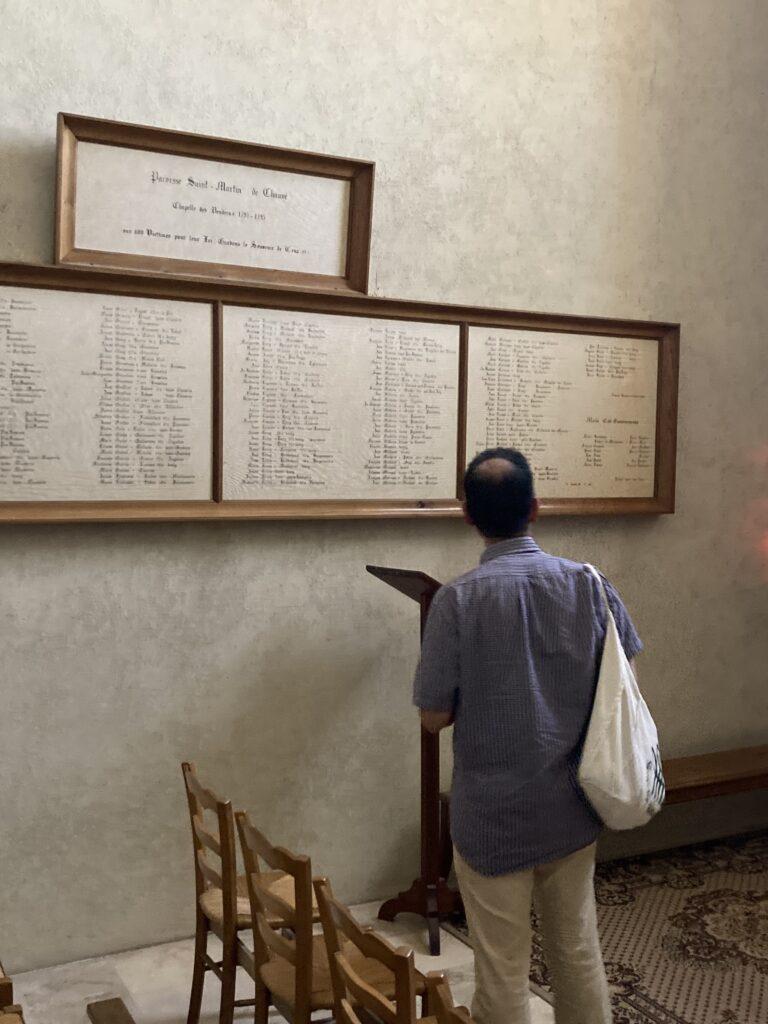
"We also visited a few important historical sites. It was very moving to see the names of all the victims inscribed on a wall in a church in a small village during the civil war that followed the Revolution…."
In particular, I was deeply moved by the names of all the villagers who perished in the wars of the French Revolution—names carved into the wall of a small chapel in the neighboring town and preserved for hundreds of years.
Thanks to these classes and experiences, I became able to speak French at a certain level for everyday use. These are the benefits of total immersion, since I had no opportunity to speak anything but Japanese or English. I had no choice but to express myself in French and thus had to draw on all my abilities in real-life situations.
Through these experiences, I found that I had, before I knew it, become able to speak French reasonably well. I believe this is one of the advantages of the total immersion method. I had previously been someone who spoke only Japanese and English, but this homestay forced me to express my thoughts in French, which had the effect of awakening all my language skills within a real-life environment.

"But after returning to Japan, my French skills began to decline. Even though I received articles and grammar exercises that Pascal had sent me, and I tried to write short responses to him, I failed my 1re bis-level exam the following fall."
However, after returning to Japan, my French skills declined. Once or twice a week, I received reading materials, video links, and grammar exercises, and whenever I had free time, I’d send back short comments, but I failed the written portion of the Pre-Level 1 exam that fall.
"I told Pascal about my failure, and he offered to give me a one-hour remote lesson every Saturday. He would send me a text to read or a few exercises to complete in advance, and we would go over them using screen and file sharing. When I told him I wanted to pursue a French-speaking career after retirement, he advised me to practice more by working through a grammar workbook every day."
When I consulted my teacher, he suggested a one-hour online lesson every Saturday. He sends me a text or grammar exercises in advance, and I write my answers using Google’s screen-sharing system so he can correct them during the lesson.Furthermore, when I told him I wanted to find work that utilized French after retirement, he explained that studying grammar—my weak point—was essential and recommended a book of grammar exercises.
"I don’t know why or how, but by doing Pascal and Séverine’s immersion program every day, my listening comprehension and speaking skills improved without me even realizing it. And those improvements have lasted for months and years afterward."
Strangely enough, as I practiced every day, my listening and speaking skills gradually improved little by little.
"So I took my fourth exam in the fall of 2024. After taking it, I told him that I wasn’t very confident about the result."
I took my fourth exam in the fall of 2024, but I wasn’t confident I’d pass, and I told my teacher as much.
"After listening to me, he emphasized that the exam wasn’t the most important thing; the main goal was to improve my French, and to do that, I needed to diligently practice six areas at the same time: 1) listening to French 2) reading texts aloud 3) speaking 4) writing practice 5) grammar practice 6) building vocabulary every day."
The teacher then gave me some strong advice: the exam isn’t the most important thing. What really matters is improving my French itself, and to do that, the following elements are crucial: 1) listening, 2) reading texts aloud, 3) speaking, 4) writing, 5) practicing grammar, and 6) learning everyday vocabulary.
"Following his advice, I started reading the texts he sent me in a low voice on the train I took to my office every day. (A mask helped me keep my voice as low as possible.) And I worked through a grammar book on my way home."
From then on, I began reading aloud in a low voice the articles my teacher sent me on the commuter train (the mask came in handy), and I also started working on grammar little by little after getting home.
"After days and days of this kind of work, I received clear confirmation that I had passed the first stage, and with the help of private lessons I took at a small French school in my neighborhood, I then passed the second stage, which consisted solely of an oral exam."
As I continued studying, I received word that I had passed the first-stage exam, and while supplementing my studies with private lessons at a local French language school, I was able to pass the second-stage oral exam.
"In my opinion, the most effective ways to facilitate my progress were the regular use of a grammar workbook tailored to my level, the news articles that Pascal sent me every week, which I read aloud, and the writing assignments he gave me to help me produce short texts. For example, I had to write down my impressions of the articles and podcasts I listened to."
The four things I found most effective were the grammar workbook, reading aloud the magazine articles my teacher sent me, writing assignments, and sending feedback emails to my teacher, as well as listening to podcasts.
"These are some of the activities Pascal recommended to help me acquire new skills and confidently tackle my weaknesses."
All of these were things my teacher suggested as ways to overcome my weaknesses after hearing about my goals.
"If I had persisted in working on my own, I would undoubtedly have lost my way and failed to focus my efforts properly. That’s the whole point of being able to benefit from the expertise of true ‘educational coaching.’"
If I had tried to continue on my own, I think I would have given up, not knowing which direction to focus my efforts. I believe this is the benefit of seeking help from a language education specialist.
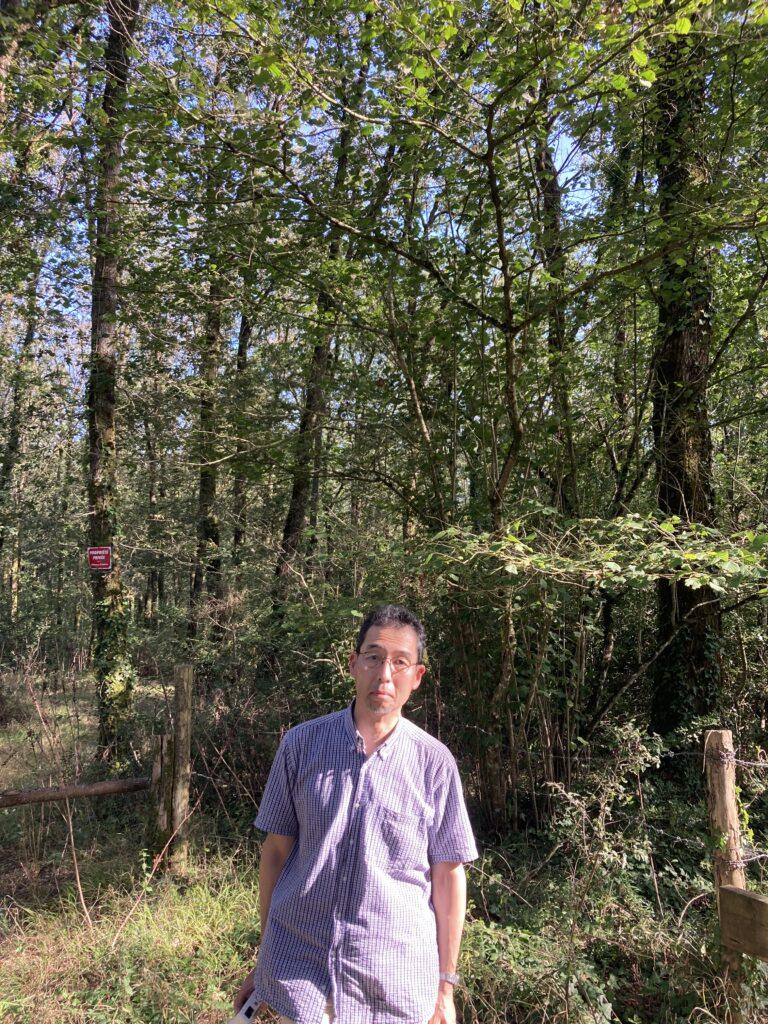
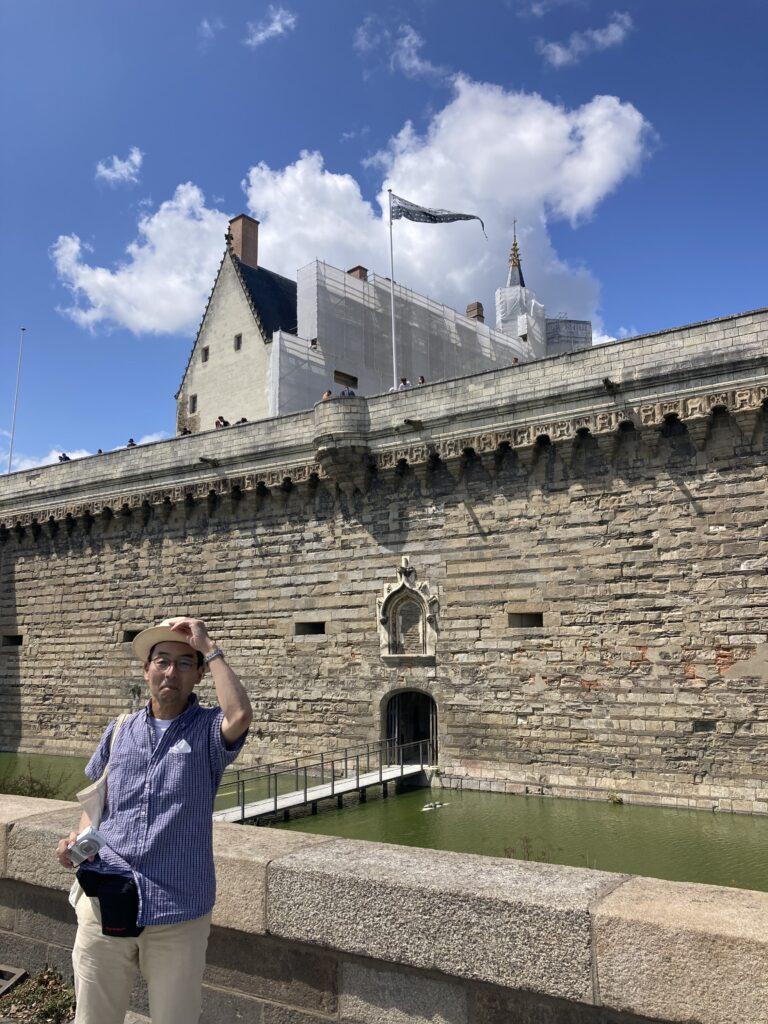
"And above all, throughout this period of intense learning—and even after my return to Japan in the summer of 2023—the landscapes of the Pays de la Loire were always before my eyes and in my mind, helping me to persevere in my work."
Throughout my stay, and even after I returned home, the landscapes of the Pays de la Loire from the summer of 2023 were always before me (in my mind’s eye), and they helped me persevere through the monotonous and difficult process of language learning.
"Ultimately, the ‘Learn French with Pascal and Séverine’ method is a very effective way to learn French! I invite you to try it out for yourself."
Mr. Pascal’s French learning method is a great way to learn French. I highly recommend it to you as well.
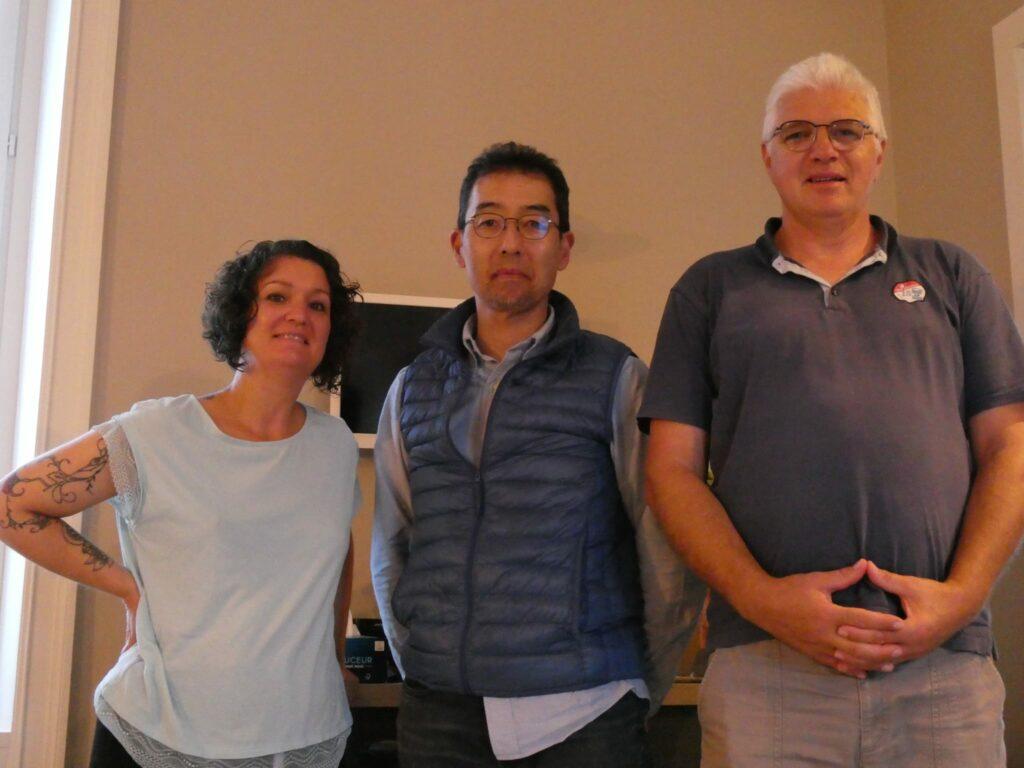
Thank you, Tatsuo, for your wonderful feedback!!!